
Biotech & Health
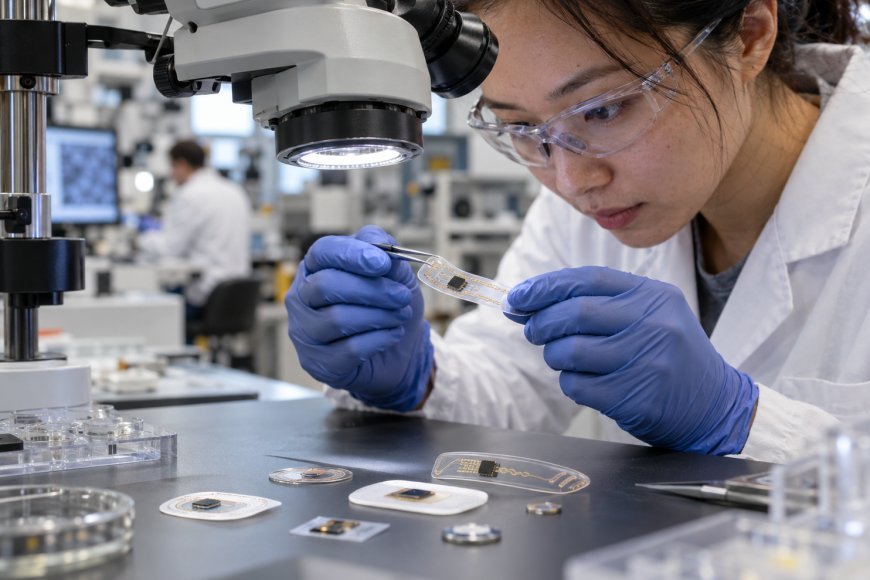
ARPA-H Commits $117.4 Million to New Biosensor Projects
ARPA-H is committing up to $117.4 million to four biosensor projects targeting heart failure, inflammation and perimenopause.

Technology writer
I am a technology and healthcare writer with more than four years of professional experience. Before joining TechAmerica.ai, I worked with a UK-based medical equipment company, where I gained hands-on exposure to medical devices, healthcare products, and the broader medical technology industry. At TechAmerica.ai, I cover medical equipment, healthcare technology, artificial intelligence, digital health, and new developments in medical technology. I am particularly interested in how new devices and AI tools are finding their way into real healthcare settings. When I write about a medical device or healthcare product, I look beyond the specifications. I want to understand what the technology does, how it may be used in practice, and what it could mean for the people working with it. My experience in the medical equipment industry gives me a practical perspective on these subjects. I aim to keep my reporting clear, useful, and grounded in research, especially when the technology itself is complex.
19 articles · page 1 of 2 · showing 1 to 12
ARPA-H is committing up to $117.4 million to four biosensor projects targeting heart failure, inflammation and perimenopause.
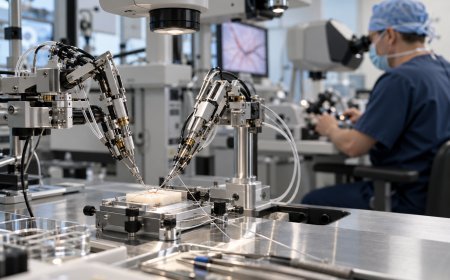
Medical Microinstruments has raised $125 million to expand its Symani robotic microsurgery system and fund additional clinical research.

Abbott’s CardioMEMS system gets FDA approval for new features that let patients view pressure readings and receive treatment updates on a smartphone.
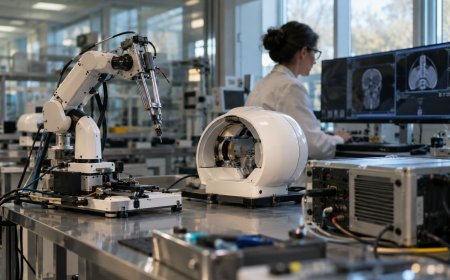
The FDA is prioritising guidance on AI medical devices, generative AI and robotically assisted surgical systems for fiscal 2027.
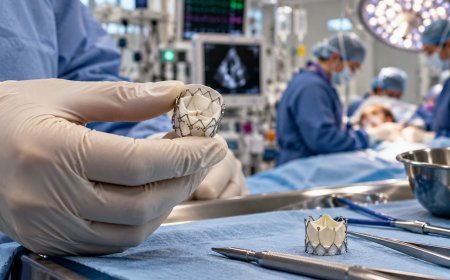
Edwards Lifesciences has received FDA approval for the AUTUS valve, a pediatric pulmonary valve that can be expanded as children grow.
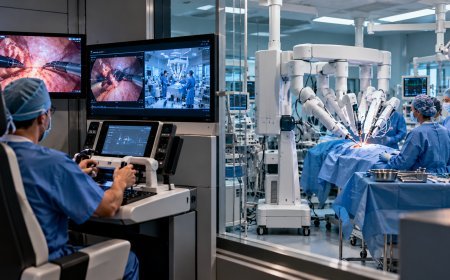
Telerobotic surgery is moving into real clinical procedures worldwide, but U.S. adoption still faces regulatory, connectivity, licensing and reimbursement challenges.

Explore 10 AI healthcare tools that help doctors and hospitals improve clinical workflows, medical imaging, documentation, and personalised patient care in 2026.
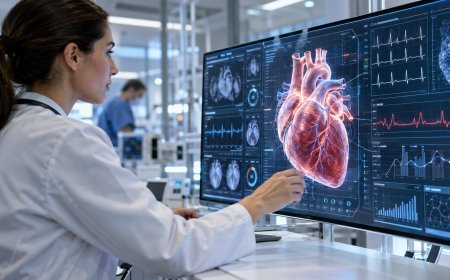
AI is helping healthcare companies analyse ECGs, cardiac imaging and wearable data to improve cardiovascular risk assessment and support earlier heart care decisions.
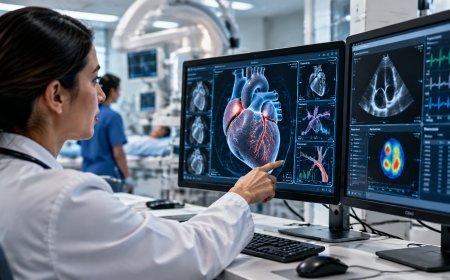
AI heart disease prediction helps healthcare companies analyse ECGs, imaging, and wearable data to support earlier detection of cardiovascular risk.
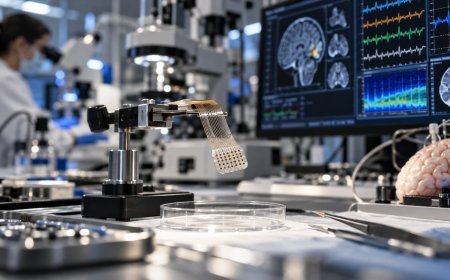
Precision Neuroscience raises $250 million to advance its brain-computer interface technology, focusing on implantable neural devices that translate brain signals into digital commands.
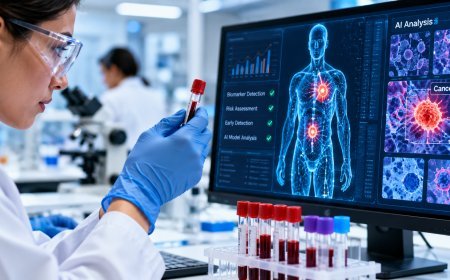
AI-powered blood tests from companies like GRAIL, Guardant Health and Freenome are exploring new ways to detect cancer signals through molecular data.

AI is being used to match patients, select trial sites, analyse clinical data and support drug development as AI-designed candidates reach later-stage trials.
Written by the reporters who cover each beat. Unsubscribe in one click.