

Security
U.S. Courts to Publish Spyware Wiretap Data Starting in 2029
U.S. courts will begin publishing data on spyware wiretaps in 2029, showing how often judges authorise government hacking tools to intercept live communications.
113 articles · page 5 of 10 · showing 49 to 60
U.S. courts will begin publishing data on spyware wiretaps in 2029, showing how often judges authorise government hacking tools to intercept live communications.

Apple sends new mercenary spyware alerts to users in 110 countries, urging targeted customers to take immediate steps to protect their devices and data.

Twitch now lets streamers opt out of Amazon AI training, but channel content remains included by default unless creators manually disable the setting.

Cybersecurity researcher Bill Swearingen says his noRecognition project creates patterns that can prevent some surveillance cameras and license plate readers from automatically detecting…

The framework says hackers stole customer names, email addresses, phone numbers, and physical addresses after a cyberattack on the business intelligence provider Metabase.
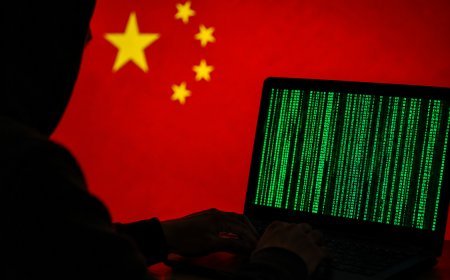
Researchers say China-linked LightSpy spyware has expanded to at least 13 countries, targeting devices and routers with tools that can steal data and remotely destroy compromised systems.

Canadian hacker Connor Moucka has pleaded guilty to hacking more than 165 companies, stealing billions of records, and extorting victims through Snowflake-related breaches.

OpenAI argues that Apple’s security practices and employee offboarding procedures weaken its trade secrets lawsuit over former Apple engineers accused of sharing confidential information.

Security researchers say flaws in Apple’s Private Relay can expose users’ real IP addresses while browsing with Safari despite the privacy feature.

The EFF says some Android apps may unknowingly share users’ precise location data with advertisers because third-party SDKs collect it by default.
Apple is reportedly challenging a UK government order seeking access to encrypted iCloud data, reviving its dispute over end-to-end encryption.

Samsung is removing Smart TV apps containing residential proxy software after security researchers warned the apps could share users’ internet connections with outsiders.
Written by the reporters who cover each beat. Unsubscribe in one click.